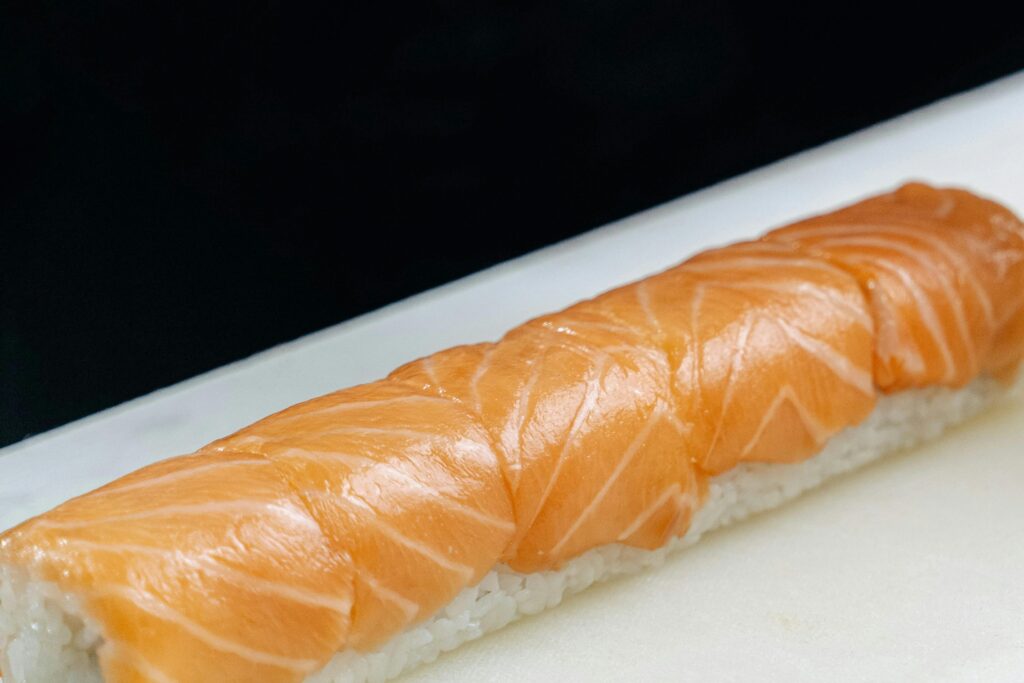
The demand for efficiency and standardization in the sushi catering market is driving technological innovations in kitchen equipment. When the core process of sushi rolling can be handled by machines, what is being compared is the brand’s control over food preparation efficiency, its commitment to stable quality, and the wisdom of reducing reliance on human labor.
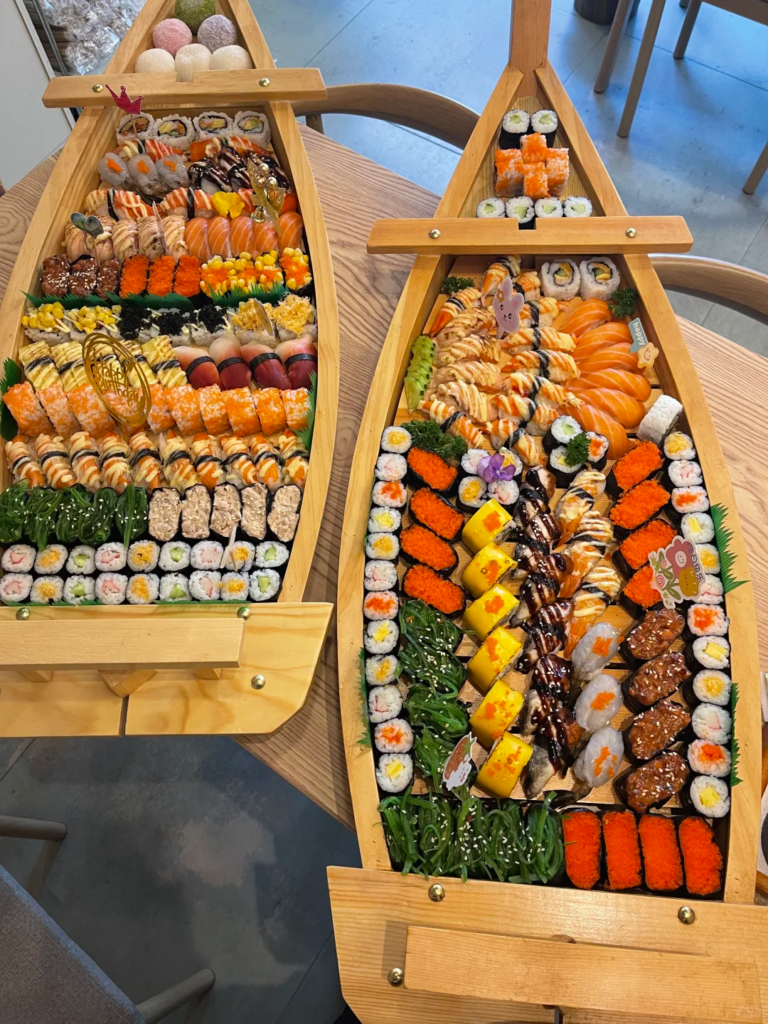
For a sushi restaurant, whether it’s for daily operations, takeout orders, or banquet packages, it is necessary to have neatly rolled and consistently produced sushi to ensure the brand experience.
The rice spreading and rolling modules of the Koyama Intelligent Sushi Roll Machine have been meticulously designed to ensure even distribution of the rice and a firm, well-shaped roll. This prevents the rice from becoming loose or cracking. Whether it’s a basic roll or an inverted roll, it can be efficiently rolled into the standard shape, with much higher stability than manual production.
Compared with traditional manual methods, the output is faster, more stable and more uniform.
1.Production capacity has doubled. One machine can replace 1-2 skilled workers.
Say goodbye to the bottleneck of hand speed. The Onoda Yutaka roll-making machine can complete the entire process from spreading the rice to rolling it up in just 15 seconds. This means it can produce 4-6 rolls per minute, and easily exceed 240 rolls per hour of production capacity, which is sufficient to handle the most intense passenger flow peaks.
Its 8KG large-capacity constant-temperature grain bin design significantly reduces the pause time during feeding operations, ensuring efficient and continuous production.
2.8 different specifications are adjustable.
The intelligent roll rolling machine, through its intelligent touch screen, can independently fine-tune and store 8 key parameters such as the length, width, rice thickness and firmness of sushi. Whether it’s a classic small roll or a special reverse roll, by simply calling up the preset settings, it can achieve precise replication with an error of millimeters, ensuring that every dish produced by the store is exactly the same, laying a solid foundation for the store.
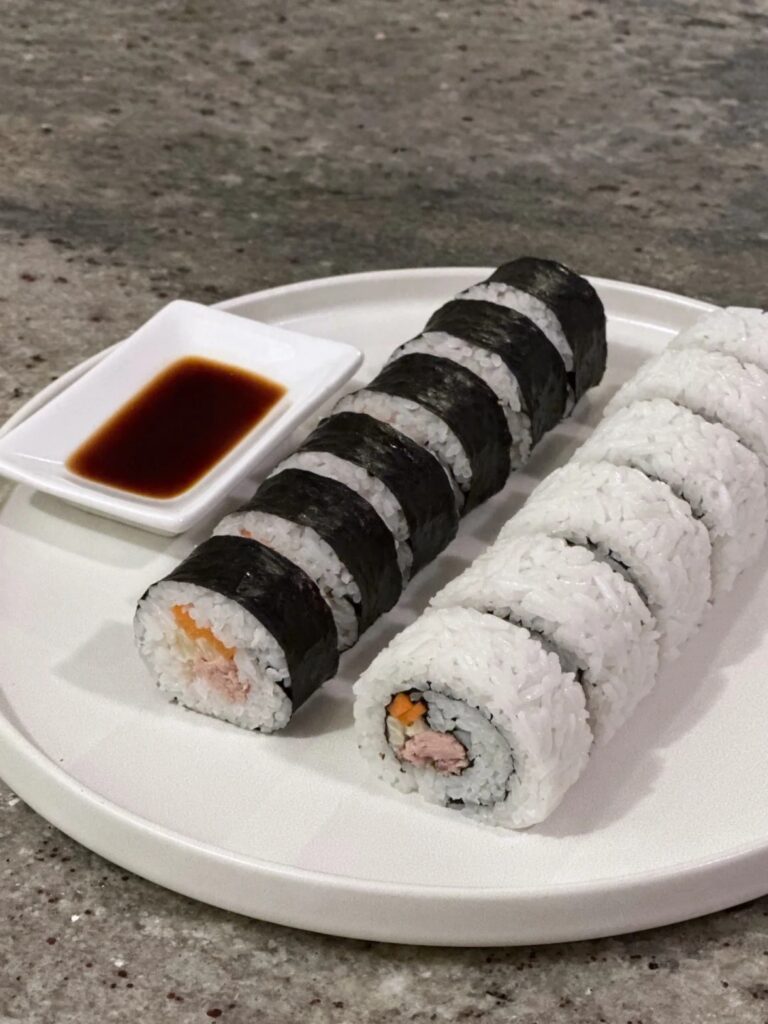
3. The operation is simple, and even a beginner can start working on the same day.
The operational threshold has been simplified to the extreme. The intuitive intelligent touch interface converts complex processes into clear visual guidance. Junior workers can operate independently after a brief training, completely eliminating the reliance on scarce skilled workers. The screen displays the equipment status and production data in real time, making management straightforward.
4. Simple cleaning, modular disassembly, no hygiene blind spots
The equipment is specially designed with a modular and quick disassembly structure. The core components can be easily removed without tools. What’s more, all the components that come into direct contact with food, such as the grain storage area and the conveyor belt, are made of safe and non-toxic food-grade ABS material. They are not only resistant to corrosion and odorless, but also support quick disassembly and direct water washing. This makes it easy to meet the strict hygiene inspections in various parts of the world, fundamentally eliminating cross-contamination.
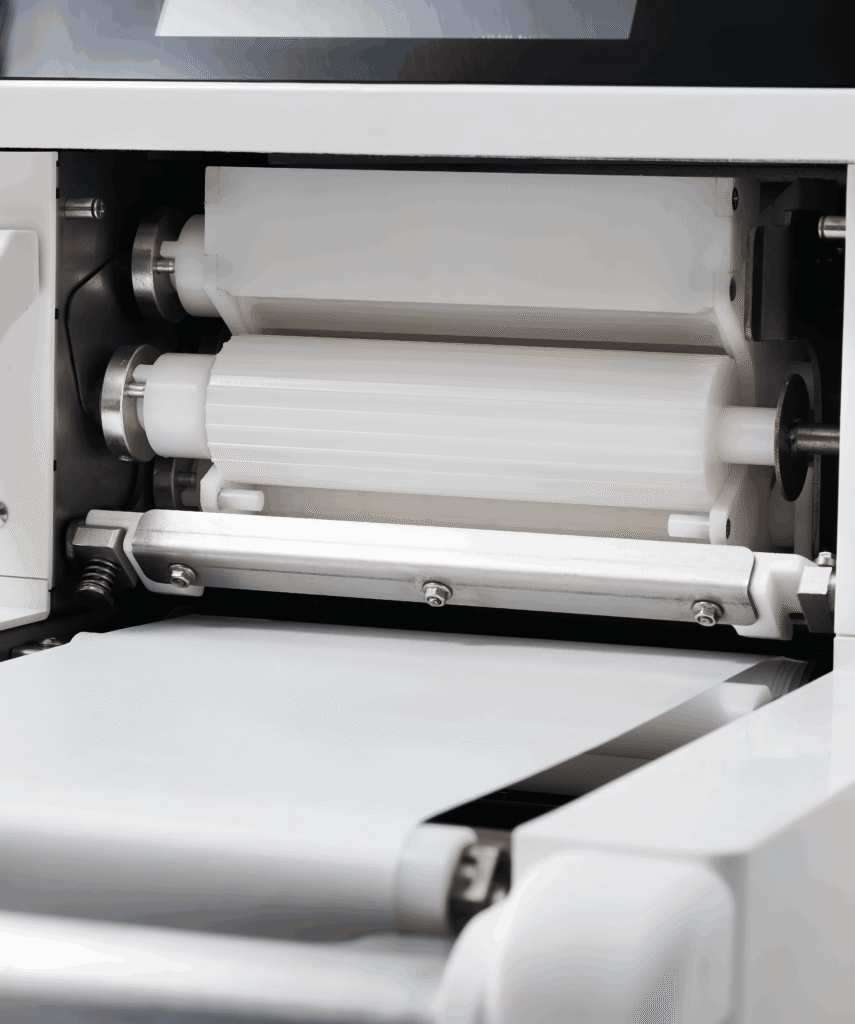
5. Opening stores overseas is hassle-free, meeting international standards, and favored by Chinese people.
The equipment has obtained the EU CE safety certification and complies with the requirements for entering the overseas market. It adopts the universal voltage (110-240V), so whether you open a store in the United States or Europe, it can be plugged in and used immediately. It supports multiple language interfaces including Chinese, English, Japanese, and Korean, eliminating language barriers in operation.
The value of intelligent devices goes far beyond saving manpower.
The Onoda Yutaka Roll-Feeding Machine, through the seamless integration of reliable machinery, precise control and internationally certified technology, provides a stable and replicable standardized production foundation for modern sushi brands. It makes stable and efficient output an expected business norm, allowing you to focus your energy on brand building and market expansion, thereby gaining a lasting competitive edge in the competition.
Product link:https://www.sushitechgear.com/product/maki-robot-ftn-hmr/